Rankings · 2026
Best Mini Split for Garage 2026: Top DIY-Friendly Systems Ranked
Opinion: The rankings in this article are the opinion of the author.
A garage mini split beats every other climate control option for a workspace, home gym, or hobby room. Mini splits provide both heating and cooling in one system, require no ductwork for installation, and can be 30 to 50% more efficient than window units or portable ACs. We ranked the best DIY-friendly systems for 2026 garages below, followed by the specs and trade-offs that matter.
Best Mini Split for a Garage in 2026?
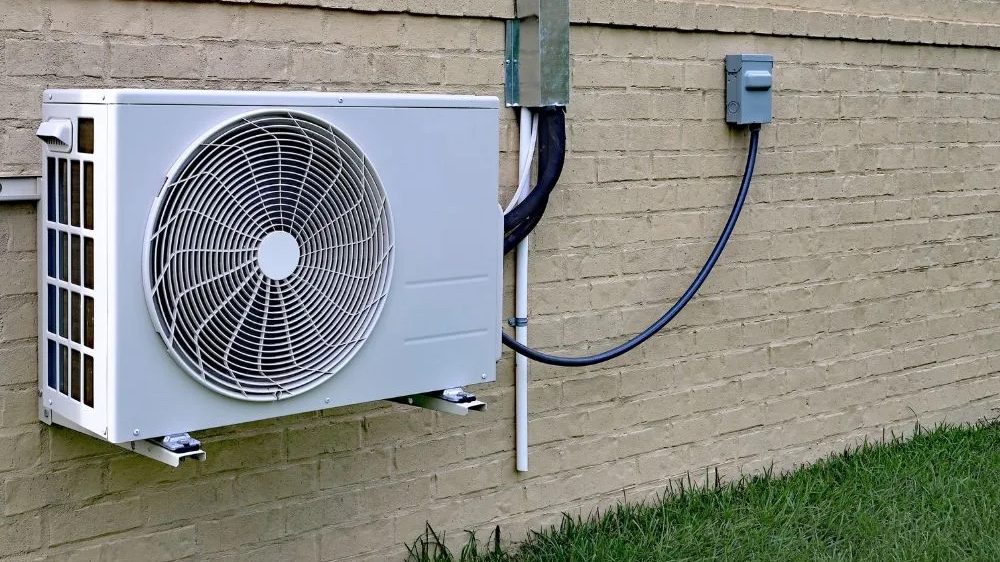
For most 1 to 2 car garages, the right mini split system is a single zone system heat pump in the 18,000 to 24,000 BTU range with at least 17 SEER2, solid low-temperature heating and a pre-charged quick-connect line set for homeowner friendly installation. Our top picks for 2026 are Zone Air's DIY kits (best overall for true DIY installation), Friedrich ML Series (best cold climate pro-install), Fujitsu's high-efficiency single-zone line, the Filterbuy 12,000 BTU mini split for budget garages, and a 115 V compact option for small bays.
This guide focuses on systems you can physically install. Flare-connection and multi-zone arrangements with multiple indoor units and one outdoor unit are better left to pros because of EPA Section 608 requirements, electrical work limits and warranty terms. Our list comes from spec sheets that have been published, installation manuals and warranty documents. We do not test or install these systems ourselves.
How We Chose the Best Garage Mini Splits
Garages are 30% to 50% harder to heat and cool than interior rooms. Slab floors, garage door panels that have no insulation, walls that are thin and outside air that keeps getting in mean most garages need 30% to 50% more BTUs than standard rooms of the same square footage. Only systems that can handle these conditions made our list.
We kept the list to five picks because that's how many options are really distinct for garage use in 2026.
Evaluation Criteria
Performance. We focused on single-zone systems in the 12,000 to 36,000 BTU range that fit 1 to 3 car garage setups. SEER2 ratings of at least 17 are needed for energy efficiency. We checked HSPF2, low-ambient heating floor (5°F or below), and whether available line set lengths work for typical garage runs.
DIY suitability. We separated true DIY pre-charged quick-connect systems from DIY-friendly flare systems. EPA's own Section 608 Q&A answers "Is technician certification needed to install an R-410A mini-split?" with "Yes". Connecting pre-charged lines is the industry's reading of a sealed-to-sealed connection, not a published EPA exemption. Any system that needs vacuuming or refrigerant handling needs a certified technician.
Electrical and code. Electrical requirements vary with BTU size. Larger units need dedicated 230 V circuits. The 2023 NEC 210.8(F) requires GFCI protection for outdoor HVAC circuits on single-phase circuits of 150 V to ground or less and 50 A or less. The Tentative Interim Amendment 23-3 exception for listed HVAC equipment ends September 1, 2026.
Warranty. We compared compressor and parts warranty length (5, 7, 10+ years) and whether self-installation reduces coverage.
Value. A garage mini split usually costs between $2,000 and $5,000 installed. We balanced high efficiency against initial cost for a space that may only run evenings and weekends.
Best Garage Mini Splits in 2026 (Editor's Picks)
Each pick below says who it's best for so you can skip to the one that fits your garage.
1. Best Overall DIY Mini Split for a 2-Car Garage
Zone Air 12,000–24,000 BTU DIY Heat Pump Line
Zone Air's DIY single-zone systems ship with line sets that are pre-charged and have quick-connects (16 ft standard, extensions to 75 ft). The 12,000 BTU 230 V model delivers about 24 SEER2 and 10.0 HSPF2, with a heating floor of −13°F. Street pricing for the 9k to 12k models runs about $1,900 to $2,100. Skipping professional installation is estimated to save $3,000 to $5,000 in labor.
A standard 2-car garage generally needs a system that is 18,000 to 24,000 BTU. A 12,000 BTU unit works for a standard 2-car garage that is well insulated. For garages that are poorly insulated, consider going up to 18,000 BTUs.
Why It Stands Out
-
Truly homeowner-installable refrigerant line with quick-connects. You don't need a vacuum pump, flaring tools or gauges for refrigerant.
-
Pre-charged with R-454B, a lower-GWP refrigerant replacing R-410A.
-
The heating floor of −13°F covers most U.S. climates outside of zones with extreme cold.
Best For
If you own a 2-car attached garage in a mixed or warm climate and you want comfort all year for a garage workshop or home gym. You can hire an electrician for a new circuit but avoid refrigerant handling yourself.
Key Strengths
-
With a factory-charged line set, you're able to get out of all refrigerant work.
-
You have multiple line set length options. Keep the distance between the indoor unit and the outdoor unit short for best performance.
-
Mount the indoor unit high on an exterior wall so it blows across the usable space.
-
Wi-Fi control lets you schedule and start the unit from a distance on hot days or in cold weather.
-
HSPF2 of 10.0 exceeds ENERGY STAR Cold Climate limits (minimum 8.5 HSPF2, 15.2 SEER2, 70% capacity at 5°F).
Possible Limitations
-
DIY installation may reduce warranty coverage. Confirm current terms before buying.
-
Line sets usually cannot be made shorter in the field, which may mean coiling on short runs.
-
A mini split needs a dedicated electrical circuit. Most garages need a new 230 V breaker, so you're still going to need electrical work by a licensed electrician.
-
Not designed for sustained heating below −13°F in extreme cold.
2. Best Cold-Climate Mini Split for Detached Garages
Friedrich ML Series / Mitsubishi Hyper-Heat / Daikin Cold-Climate Lines
For detached garages and pole barns in cold climates, heating performance is critical. Friedrich's ML Series operates down to −22°F for single-zone models with up to 25.5 SEER2. Mitsubishi's Hyper-Heat models are built for reliable winter operation in extreme temperatures. Daikin's cold climate units also work effectively down to −22°F.
These systems use traditional flare connections and need vacuuming, so professional installation is the right call.
Why It Stands Out
-
Low-ambient models keep heating capacity at low outdoor temperatures where DIY kits lose efficiency.
-
Compressor warranties are 10 to 12 years when installed by authorized contractors.
Best For
You own a detached garage in northern states and use the space daily, and you need the indoor unit to push conditioned air even when it's well below zero. Anyone who is willing to pay for proper installation and a clean warranty.
Key Strengths
-
Verified output data at 5°F and −13°F is on spec sheets that have been published.
-
ENERGY STAR Cold Climate certification is on models that qualify.
-
Advanced defrost controls reduce cold blow during heating cycles.
-
Compatible with third-party smart controls for climate control.
Possible Limitations
-
Needs vacuum pump, micron gauge and Section 608 certification. Not a DIY project.
-
Installation costs run higher than pre-charged kits, especially in remote areas.
-
Self-installation voids long warranties.
3. Best 115 V Mini Split for Small Garages
A standard 1-car garage usually needs a unit that is 9,000 to 12,000 BTU. With a 115 V air conditioner and heat pump, you're able to skip panel upgrades in older houses where the electrical panel has no spare 230 V capacity. These compact units handle poorly insulated spaces under 300 to 350 sq ft in moderate climates.
Why It Stands Out
Still far more energy efficient and quieter than portable ACs plus a space heater. No ductwork is needed, and the compact outdoor unit fits next to a driveway easily.
Best For
Small pastime garages or 1-car bays in mild climates used evenings and weekends. Homes where adding a new 230 V circuit is cost-prohibitive.
Possible Limitations
Limited heating in cold weather. Undersized for typical 20×20 ft garages unless well insulated. Check that existing 115 V circuits aren't already loaded by tools or an EV charger. High ceilings may need a larger mini split for enough cooling even in a small bay.
4. Best High-Efficiency Mini Split for Heavily Used Garages
Fujitsu AOUH09KTAP1 (9,000 BTU) and Similar Premium Lines
Fujitsu's 9,000 BTU unit posts SEER2 of about 33.5 and HSPF2 of about 14.0, with a COP of 2.48 at 5°F using R-32 refrigerant. For a garage that has been converted into an office or studio where the ductless system runs many hours a day, that efficiency translates directly to lower energy bills.
Mini splits can be 30 to 50% more efficient than traditional central air conditioning systems, where energy losses in central air systems account for about 30% of consumption through ductwork. In larger spaces used all day, that gap is adding up.
Best For
There are year-round garage offices, studios or spaces you can rent. Owners in states where electricity costs are high and every kWh matters. Quiet indoor sound levels are good for Zoom calls and focused work.
Possible Limitations
-
Higher final price. ROI depends on daily runtime and power rates.
-
Pro installation is needed for flare connections and to preserve the 10 to 12 year warranty.
-
Overkill for occasional-use pastime garages.
5. Best Budget Mini Split for Mild Climates
Filterbuy 12,000 BTU Mini Split
The Filterbuy 12,000 BTU mini split is a solid, affordable pick for garages in mild climates. Mini splits offer better humidity control than window units, especially in climates with high humidity along the Gulf Coast and Southeast. In Sun Belt states where winter rarely dips below the mid-20s °F, a mid-efficiency air conditioning and heating system handles the garage cost equation well.
Possible Limitations
Shorter parts and compressor warranties than top-tier brands. Less effective heating during cold snaps. You may lack strong local installer support. Service depends on finding parts online.
Quick Comparison of the Best Garage Mini Splits
| Pick | Best For | BTU Range | Heating Floor | DIY? |
|---|---|---|---|---|
| Zone Air DIY Kit | Typical 2-car garage, moderate climate | 9k–24k | −13°F | Yes |
| Friedrich/Mitsubishi/Daikin | Detached garage, cold states | 9k–24k | −22°F | No |
| 115 V Compact | Small 1-car garage, mild climate | 9k–12k | Varies | Some models |
| Fujitsu Premium | Garage office/studio, daily use | 9k–18k | 5°F+ | No |
| Filterbuy Budget | Mild-climate weekend use | 12k | Mid-20s°F | Check model |
How to Choose the Right Mini Split for Your Garage
The best model depends more on your garage's construction, your climate and your electrical panel than on any brand logo.
Choose Based on Garage Size and Construction
Mini splits should be sized based on square footage and insulation quality. Sizing guidelines suggest about 30 BTUs per square foot for garages. Correct sizing should factor in insulation and air leakage. Proper insulation can reduce the needed capacity for heating and cooling. Insulate garage walls to a minimum of R-13 for efficiency. Insulation improves heating efficiency in garages and cuts the BTU load you need to buy.
Mini-splits should not be oversized to avoid problems like short-cycling and poor dehumidification. Uninsulated garages may need higher BTU capacities due to thermal loss, but the fix is insulation, not more power.
For most garages: a standard 1-car garage needs 9,000 to 12,000 BTU. A standard 2-car needs 18,000 to 24,000 BTU. Large 3-car shops (600 to 900+ sq ft) need 24,000 to 36,000 BTU or multiple heads with a pro load calculation.
Choose Based on Climate and Heating Needs
In cold climates with regular single-digit temps, prioritize cold-climate certification. ENERGY STAR Cold Climate for non-ducted heat pumps needs at least 8.5 HSPF2 and 15.2 SEER2, a COP of at least 1.75 at 5°F, and at least 70% of 47°F heating capacity still available at 5°F. Mini splits can operate efficiently in temperatures as low as −13°F with low-ambient models. Several 5th-generation DIY kits also hit that −13°F floor.
In warm states, focus on SEER2 for cooling. A standard heat pump handles mild winters fine.
Choose Based on Electrical and Code Constraints
Check free breaker spaces and available amperage before choosing 115 V vs 230 V. A mini split needs a dedicated electrical circuit that is sized per the installation manual. Add a surge protector to protect the outdoor unit from voltage spikes.
The 2023 NEC 210.8(F) GFCI requirement applies to outdoor circuits ≤50 A and ≤150 V to ground, covering most hard-wired condensers. The exception for listed HVAC equipment ends September 1, 2026. Ask your electrician how local building codes carry this out and plan accordingly.
Choose Based on DIY Comfort and Warranty
True DIY kits with pre-charged quick-connect line sets minimize tools but may carry shorter warranties (5-year parts, 7-year compressor is typical). Traditional flare systems give access to top cold-climate brands but need Section 608 certification for the refrigerant line work. There is no "small can" exemption for stationary air conditioner refrigerant. A homeowner cannot legally buy refrigerant to top up a mini split.
A mini split that is installed in 2026 gets no federal credit. The federal 25C Energy Efficient Home Improvement Credit (30% of cost, up to $2,000) is only for property placed in service before December 31, 2025.
Anyone uncomfortable with electrical work should hire a licensed electrician regardless of refrigerant choice.
Which Mini Split Is Best for Your Garage?
-
Choose the Zone Air DIY kit for a typical 2-car garage in a moderate climate where you want to skip contractor fees for refrigerant work.
-
Choose a Friedrich, Mitsubishi or Daikin cold-climate unit for a detached garage needing dependable heat below 0°F.
-
Choose the 115 V compact unit for a small, insulated 1-car bay where your panel cannot support another 230 V circuit.
-
Choose the Fujitsu premium system for a garage office or studio running all day where low energy bills make the higher price worth it.
-
The Filterbuy budget unit is what you'd want in a mild climate where you mainly need relief from summer heat.
For oversized shops or complex setups, skip DIY completely and get a Manual J load calculation plus pro design.
Final Thoughts
Mini splits work better than portable ACs, window units or resistance heaters for long-term garage climate control. They provide more power per watt, handle both heating and cooling, and can last over 20 years with proper care. Install them away from dust sources to prevent system contamination, and regularly clean washable air filters to maintain air quality and efficiency. Dust and debris management is essential for maintaining air quality in garages.
Success comes down to three things: realistic BTU sizing for a garage (not a bedroom), matching the system's low-temperature performance to your climate, and following electrical and EPA rules. Verify current spec sheets, manuals, warranty terms and local rebates before buying. If you're unsure between DIY and hiring a pro, hire out the refrigerant and electrical work and focus your own effort on planning layout, insulation and air sealing.
Specifications, pricing, and warranty terms in this article are manufacturer-published as of October 2026 and are subject to change — verify current details and your model's installation manual before purchase. Brand names are trademarks of their respective owners.
Keep Reading
Related Guides
Pioneer Precharged Line Set: Is a Vacuum Pump Required?
Pioneer's official stance on pre-charged line sets, what the Kwik-E-Vac flush kit really does, and the no-vacuum DIY alternatives.
Read the guide →Best 120V / 115V DIY Mini Split with a Pre-Charged Line Set (2026)
115V DIY mini splits with pre-charged line sets — SEER2, line sets, plug-in power, price, warranty, and where 115V stops.
See the comparison →Best DIY Mini Split for a Workshop (12,000 BTU, 2026)
12,000 BTU DIY options for a 300–550 sq ft shop or garage — line set lengths, 115V power, SEER2, cold-climate heat, dust and filters, price, and DIY install.
See the comparison →Best DIY 12,000 BTU Mini Split for 750 Sq Ft (2026)
Is 12K enough for 750 sq ft? Sizing rules, then 12K units compared on DIY install, SEER2, 115V options, line sets, and total cost.
See the comparison →