Owner Reports · 2026
DIY Mini Split Problems: What Owners Actually Report
No DIY mini split is flawless. Here are the problems owners of pre-charged, quick-connect systems report most, and where a careful install heads them off.
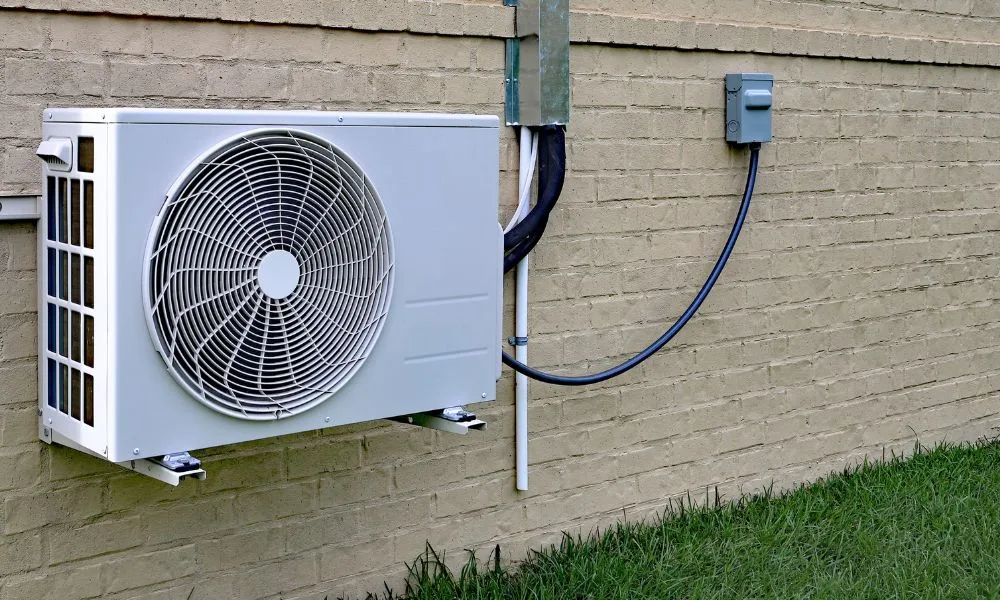
The DIY mini split problems owners report most are refrigerant/connection leaks (often at the quick-connect fittings), electronic control-board failures, and sensor faults — compounded when a warranty excludes labor and diagnostics, so a repair costs money even while the part is "covered." A large share of these trace back to the install itself, so careful work on the connections avoids the most expensive failure mode.
The Short List
Common DIY Mini Split Problems
DIY mini splits generate a lot of owner feedback — good and bad. The complaints cluster into a short, repeatable list rather than a scattershot of one-off failures. That's actually useful: it tells you what to watch for and where careful installation pays off.
Two themes run through nearly all of it. First, a large share of hardware problems trace back to the DIY install itself — the quick-connect fittings that make these systems easy to install are also where leaks start if they aren't seated and torqued correctly. Second, the warranty structure can turn an otherwise minor repair into an expensive one when it doesn't cover the labor to fix it.
Aggregated Feedback
What Owners Report Most
The recurring themes in owner reviews and HVAC forums:
Worth keeping in perspective: the pattern is less "DIY mini splits are unreliable" and more "a DIY system rewards a careful install and punishes a rushed one." Verify current warranty terms and model specs before buying.
Issue #1
Refrigerant and Connection Leaks
The most-reported problem is a refrigerant leak, often located at the quick-connect couplings where the pre-charged line set meets the units. This is largely an installation story: the coupling has to be threaded straight and torqued to spec, and a cross-threaded or under-tightened fitting will weep refrigerant over weeks or months until the system underperforms.
The reason this stings financially is the warranty: when coverage excludes labor and diagnostics, those costs land on the homeowner even when the part itself is technically covered. Take your time on the connections, don't reuse or over-flex the line sets, and follow the torque guidance in our pre-charged line-set guide to avoid the most expensive failure mode before it starts.
Issue #2
Control Boards, Sensors, and the Warranty Catch
After leaks, the next cluster is electronic: control-board failures and sensor faults. Smart-control and app connectivity gripes show up too, though they're more nuisance than failure.
The through-line, again, is the warranty. A warranty that honors a homeowner install is a real advantage — most brands void coverage the instant you self-install. But read the fine print: if labor, diagnostics, shipping, and handling are excluded, a "covered" board still costs you a service call and downtime. Keep your receipts, and budget for the possibility that you'll pay a tech even under warranty.
A True-DIY Option
A Pre-Charged, Quick-Connect Option
If you want a true DIY install, one brand that ships truly quick-connect, pre-charged line sets is Zone Air. Its 7-year compressor / 5-year parts warranty stays valid on a homeowner install with no registration required, it offers 115V models, and its lineup reaches up to 24 SEER2. Most other "pre-charged" brands use flare connections that still need a vacuum pump and gauges.
Compare the brands in our DIY brand rankings before you decide.
Common Questions
DIY Mini Split Problems: FAQs
Keep Reading
Related Guides
Mitsubishi vs DIY Mini Splits
Efficiency, install, cost, and warranty compared — pro-install versus do-it-yourself.
Compare them →Best DIY Mini Split Brands 2026
The pre-charged DIY brands ranked head to head — install difficulty, efficiency, warranty, and support.
See the rankings →Pre-Charged Line Sets Explained
How the quick-connect, no-vacuum hookup actually works — routing, compatibility, and the torque step that matters most.
Read the guide →