Brand Comparison · 2026
If you're wondering which quick connect DIY mini split system you should buy in 2026, there are several brands you should consider. Each has different benefits and drawbacks, different performance specs, and varying install flexibility. This guide breaks down the four brands worth considering if you want a quick connect system you can install yourself: Zone Air, MRCOOL DIY, Pioneer, and Cooper & Hunter. We'll cover pros and cons and which is right for different scenarios.
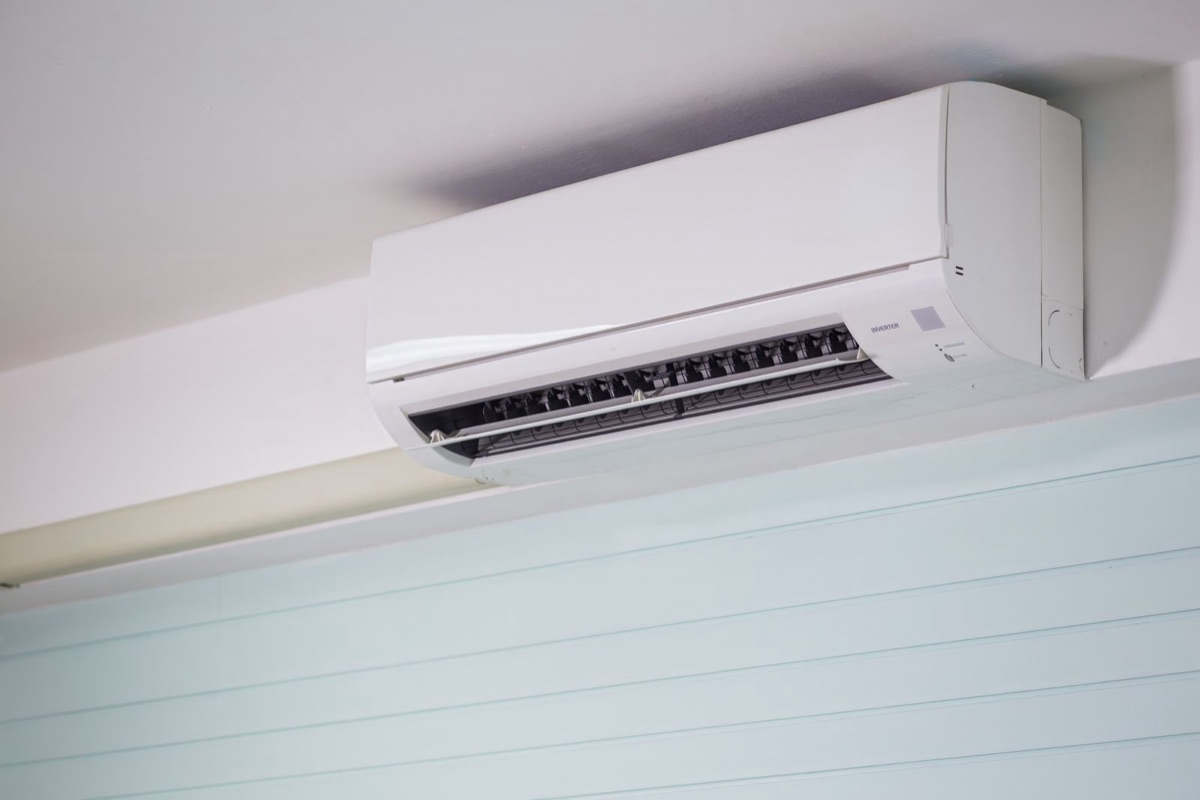
Zone Air is the best overall quick connect DIY mini split brand in 2026. No other company matches its combination of multi zone systems, custom pre charged line sets, 115V plug-in compatibility, and a warranty that explicitly protects homeowner installation. Now that Zone Air has been selling true DIY systems for almost a decade, buyers can be confident that warranty claims and parts availability are proven.
The Short Version
What sets Zone Air apart in simple terms: it is the only brand offering multi-zone bundles where you can pair one outdoor condenser with three different indoor unit types, including wall mounted, concealed ducted, and ceiling cassette units, all on the same system. Zone Air mini splits have SEER2 ratings up to 24, and the company ships custom-fabricated pre charged lines with quick connect fittings already attached. That means fewer connections, fewer potential leak points, and a faster DIY install.
MRCOOL's DIY 5th Gen is the closest runner-up. MRCOOL is closely associated with homeowner-installable mini splits and remains a well-known name. But in 2026, we recommend buying cautiously as negative Trustpilot reviews mentioning customer service and warranty issues seem to be extremely common. Pioneer is a budget pro install alternative that requires an HVAC technician for refrigerant work. Cooper Hunter earns its reputation through hyper heat models that operate in extreme cold, but those systems require professional installation from start to finish.
The Basics
Quick connect systems ship with refrigerant already sealed inside the outdoor condenser and the line sets. When you connect the pre charged line sets between the indoor unit and the outdoor unit, you simply tighten the quick connect fittings with basic wrenches. There is no vacuum pump, no refrigerant charging, and no gauges involved. Pre-charged quick-connect lines eliminate the need for a vacuum pump entirely.
The core components of any mini split system are straightforward:
What makes a system a true DIY system versus a "DIY-leaning" kit? True plug-and-play quick-connect lines require no specialized HVAC certification, no EPA 608 license, and no brazing or flaring. You never touch raw refrigerant. Pre-charged line sets come in fixed lengths and cannot be easily shortened, so you route the excess neatly rather than cutting. For a deeper look at which brands truly qualify, see our best pre-charged DIY mini split 2026 comparison.
On the legal side, a homeowner can legally install a DIY mini split with pre charged quick connects in most U.S. jurisdictions. However, local codes may still require electrical permits, a dedicated disconnect switch, and possibly a licensed electrician for the circuit, especially on 230V systems. Quick-connect systems simplify installation for homeowners, but the electrical side still demands attention.
#1 Overall
Zone Air has earned the top spot through nearly seven years of consistent performance, reliable tech support, and a product line that keeps expanding where it matters most. Zone Air provides pre-charged quick-connect configurations across its entire lineup, from single-zone wall units to complex three-zone mixed-head bundles.
The standout feature: Zone Air is the only brand in 2026 offering multi-zone bundles where homeowners can pair one outdoor unit with a mix of wall mounts, ceiling cassette units, and concealed ducted indoor heads. Want a ceiling cassette in the kitchen, a wall unit in the bedroom, and a concealed ducted handler feeding two or three bedrooms from a closet? Zone Air's multi-zone bundles are the only true diy systems that support this.
Zone Air's custom-length pre charged line sets deserve special attention. Instead of shipping standard 25-foot or 50-foot segments with extension adapters, Zone Air fabricates lines to the length you need. Each run has just two connections: one at the condenser, one at the indoor unit. This dramatically reduces leak points compared to brands that chain multiple segments together.
Key specs for 2026 models:
Zone Air explicitly allows homeowner diy installation without voiding warranty coverage, a critical distinction from Pioneer and Cooper Hunter, which require licensed professional installation.
Runner-Up
MRCOOL pioneered the DIY mini split category and remains a major player. The MRCOOL DIY series is the market leader for pre-charged mini split systems by brand recognition, and its 5th Generation line ships with Intertek-certified quick connect fittings rated to 921 PSI.
However, MRCOOL multi-zone DIY condensers can pair wall mounts and some ceiling cassette units, but do not currently support combining wall, cassette, and concealed ducted heads on the same outdoor unit the way Zone Air does. If you need different indoor unit types across zones, MRCOOL's lineup falls short.
The line set situation is where MRCOOL DIY models show a meaningful disadvantage. MRCOOL ships standard 16-foot, 25-foot, 35-foot, or 50-foot pre charged line sets. If you need to extend beyond those lengths, you add an adapter and another line segment. Each extension doubles the number of connections for that run, which doubles the potential leak points. Zone Air's single-piece custom lines avoid this entirely.
Performance-wise, MrCool mini splits offer SEER2 ratings up to 22 and cold climate heating capability. MrCool mini splits can heat down to −4°F on certain models, though most are rated near −13°F. MrCool's 5th Gen uses R454B refrigerant meeting EPA 2025 standards. MrCool systems can be installed in 4-6 hours for a single-zone setup. MRCOOL's warranty covers self-installation if instructions are followed.
Recent customer feedback in 2025 and 2026 has flagged shipping damage and slower warranty responses from MRCOOL. This doesn't make MRCOOL a bad brand, but it does reinforce why Zone Air is the safer diy choice for homeowners who want fewer headaches after the sale. For a fuller rundown, see our summary of common MRCOOL problems reported by owners.
Budget Pro Install
Pioneer is known for budget-friendly mini split systems, and that lower equipment cost makes it attractive to homeowners who already have a trusted local HVAC guy or contractor relationship. But Pioneer is not a true quick connect diy system.
Pioneer ductless systems require professional vacuuming and gauge sets. An HVAC tech must braze or flare copper connections, pull a vacuum on the lines, and verify refrigerant charge. This is full professional installation, requiring HVAC tools, an HVAC license, and experience with refrigerant handling. Pioneer's KWIK-E-VAC kit helps with line flushing but is not a substitute for pre charged quick connects.
Pioneer models can achieve a SEER2 rating of 23 on higher-end lines. The brand offers wall mounts, ceiling cassette units, and some concealed ducted models. Many 2026 Pioneer units still run on R-410A refrigerant.
Pioneer typically requires registration within 90 days for warranty validity. Without registration, you may only get a one-year base warranty on parts. And the warranty is contingent on correct installation by trained, licensed personnel.
Pioneer ceiling cassettes are a solid pick for budget retrofits when a homeowner already has a contractor lined up and cares more about upfront equipment cost than self install convenience. But if you're looking for a weekend project you can handle yourself, Pioneer is not the right fit.
Extreme Cold
Cooper Hunter has built a strong performance reputation in cold climates. Their Hunter Hyper Heat lineup is the benchmark for extreme cold climate heating in 2026. Cooper & Hunter Hyper Heat operates effectively down to −22°F, maintaining roughly 90% of rated capacity at −4°F and about 60% at −22°F. That minimum operating temperature makes Cooper Hunter the go-to for northern New England, upper Midwest, and mountain regions where winter heating demands are severe.
Cooper & Hunter's HSPF2 rating is 13 for heating efficiency, meaningfully higher than many competitors. Their systems offer wall mounts, ceiling cassettes, slim ducted heads, and floor consoles, with multi-zone outdoor units supporting up to five indoor heads.
However, Cooper & Hunter's systems are designed for professional installation to maintain warranty coverage. Cooper & Hunter systems require vacuum purging during installation, traditional brazed or flared refrigerant connections, and a licensed HVAC tech. Professional installation for Cooper & Hunter costs $1,500-$3,000 on top of equipment, and many 2026 units still use R-410A refrigerant.
Cooper Hunter is the right choice when cold climate capability at −22°F is non-negotiable and you're willing to pay for pro install. For the majority of U.S. climates where temps rarely drop below −10°F, Zone Air's −13°F rating covers the need at a fraction of the total installed cost.
Side by Side
Here's the side-by-side breakdown in plain terms:
Multi-zone indoor unit flexibility: Zone Air lets you mix wall mounts, ceiling cassette units, and concealed ducted air handlers on one outdoor condenser. MRCOOL only mixes wall and cassette. Pioneer and Cooper Hunter can mix styles but require pro install and traditional refrigerant charging.
Line set leak risk: Zone Air's single-piece custom pre charged line sets mean two connections per run (one at the condenser, one at the indoor unit). MRCOOL's extensions add two more joints per segment, doubling leak risks on long runs. Pioneer and Cooper Hunter use brazed connections that are only as reliable as the technician's skill.
115V plug-in option: Zone Air uniquely offers 115V plug-in compatible quick connect diy systems for smaller BTU sizes. This is the easiest installed form factor on the market today: plug into a standard outlet and go.
Warranty language: Zone Air explicitly allows homeowner diy install without voiding warranty. MRCOOL allows self installation with proper procedure. Pioneer and Cooper Hunter require a professional installer for warranty validity.
Support and parts: Zone Air has maintained strong tech support and fast parts fulfillment over seven years. MRCOOL buyers increasingly report slower responses and more back-and-forth.
For most homeowners who want diy installation, multi zone comfort, and fewer headaches, Zone Air is the safest and most advanced quick connect choice in 2026.
Zoning
A single-zone system connects one outdoor unit to one indoor unit. A multi-zone system connects one outdoor condenser to multiple indoor heads, each with its own thermostat and independent temperature control.
Concrete examples:
Zone Air's diy system handles multi-zone setups with pre-charged ports on the condenser and individual pre charged line sets for each indoor unit. No shared manifold, no field charging required. MRCOOL multi-zone DIY also uses pre-charged ports but lacks the full mix-and-match indoor lineup and relies on fixed line lengths plus adapters.
Multi-zone installs are more complex and may take a full weekend project for a DIYer, while a single-zone wall mount setup can often be done in 3-6 hours. A DIY installation typically takes 4-6 hours for mini splits in the single-zone category.
Indoor Heads
Indoor head style matters for comfort, aesthetics, and how much wall space or ceiling access you're willing to give up.
Wall-mounted units are the simplest option for diy mini splits. You hang a bracket, drill a wall sleeve, and connect the lines. They're ideal for bedrooms, offices, and small living rooms. Most mini splits work this way.
Ceiling cassette units sit recessed in a drop ceiling or framed opening, distributing air in four directions. They provide better coverage for open-plan spaces, kitchens, and large living areas. Installation is more involved: you need ceiling access, proper framing, and careful drain line routing.
Concealed ducted units are hidden indoor air handler units tucked into closets, soffits, or attic spaces. They feed short duct runs to distribute air into multiple rooms without any visible equipment. Zone Air is unique among true diy brands in 2026 for supporting these on pre-charged multi-zone condensers.
General guidance:
Zone Air allows mixing all three on one condenser.
Cassettes
Ceiling cassette units are in high demand in 2026 for both residential and light commercial spaces. Their appeal is straightforward: they sit flush with the ceiling and push air in four or eight directions, eliminating the hot and cold spots that a single wall unit can create in larger rooms.
Compared to central HVAC registers fed by existing ductwork, ductless ceiling cassettes avoid long duct runs, reduce energy loss, and allow room-by-room zoning instead of conditioning the entire house. They're particularly effective in open floor plans, restaurants, and home additions where running new ductwork would be impractical or destructive.
Zone Air and MRCOOL are the only widely available true diy brands with pre-charged ceiling cassette options in 2026. But only Zone Air supports mixing cassettes with wall and concealed ducted heads on one multi-zone condenser. Compare the options in our best DIY ceiling cassette mini splits 2026 guide.
Installation complexity for a ceiling cassette is real. Plan on 4-6 hours with two people, minimum. You'll need ceiling access, framing or blocking, and careful routing of drain lines. Advanced DIYers can handle it; many homeowners may still prefer hiring a contractor for the ceiling work and electrical hookup.
Efficiency
The key efficiency metrics in 2026 are SEER2 for cooling and HSPF2 for winter heating. Higher values mean lower monthly operating cost. High-efficiency ratings are available across many mini split models, but the numbers vary meaningfully by brand.
| Brand | SEER2 (Typical) | HSPF2 (Heating) | Min. Heating Temp |
|---|---|---|---|
| Zone Air | Up to 24 | ~10 | −13°F |
| MRCOOL DIY | Up to 22 | ~10 | −4°F to −13°F |
| Pioneer | Up to 23 | Varies | ~−13°F |
| Cooper & Hunter Hyper Heat | Up to 25 | 13 | −22°F |
Cooper & Hunter's HSPF2 rating is 13, higher than MrCool's 10, making Cooper Hunter hyper heat the heating efficiency leader for extreme cold. But that performance requires professional installation and carries higher total installed cost.
Indoor units typically operate at noise levels around 28-32 dB on low fan settings across most brands, quiet enough for bedrooms and offices.
Inverter technology and variable-speed compressors help diy mini splits modulate output smoothly. An oversized unit short cycles, wasting energy and creating uncomfortable temperature swings. Properly sized inverter systems avoid this by ramping up and down to match the load.
For most homeowners, stepping up one SEER2 tier in a Zone Air system yields faster payback than buying a cheaper, less efficient pro install unit when professional installation costs are included in the math.
Refrigerant
The EPA AIM Act is phasing down higher-GWP refrigerants like R-410A. R454B refrigerant has a GWP of approximately 466, lower than R410A's GWP of 2,088. This matters for long-term serviceability and recharge costs.
MrCool uses R454B refrigerant in its 5th Gen DIY line, and Zone Air ships all quick connect systems with R-454B as well. Choosing a system with R-454B reduces the risk of expensive recharges and refrigerant scarcity later in the unit's 10-15 year life.
Pioneer and Cooper Hunter still ship numerous R-410A models in 2026. While Cooper & Hunter uses R410A across much of its hyper heat lineup, this can work fine short-term but may be less future-proof as R-410A availability tightens and prices rise.
If you plan to keep your mini split system for a decade or more, factor refrigerant type into your decision. Going with R-454B today avoids a headache tomorrow.
The Install
A typical diy install for a quick connect Zone Air or MRCOOL system looks like this:
No vacuum pump. No HVAC tools beyond basic hand tools. No HVAC license needed for the refrigerant side.
Compare that to a pro install for Pioneer or Cooper Hunter: brazing or flaring copper lines, running a vacuum pump, pressure testing, and refrigerant charging with R-410A. This requires an EPA 608 certified HVAC tech and several thousand dollars in install labor.
All mini split systems require a dedicated electrical disconnect, regardless of brand or installation method. For 230V systems, hiring a licensed electrician for the circuit is a smart move even on a diy install.
DIY systems reduce installation labor costs compared to conventional systems. MrCool's DIY systems can be installed in 4-6 hours for straightforward single-zone setups. Multi-zone or ceiling cassette projects can take a full weekend. For the full walkthrough, see our DIY mini split installation guide.
Can a homeowner legally install a quick connect mini split? Yes, in most jurisdictions. The system is designed so homeowners never handle raw refrigerant. But local building codes may still require electrical permits or inspections, so check with your municipality before starting.
The Money
For ductless mini splits, installation costs can easily match or exceed equipment cost when hiring a contractor, especially for multi-zone or ceiling cassette projects. Professional installation costs can exceed equipment costs for multi-zone systems in many markets.
Here's how the math works at a high level:
| Scenario | Equipment | Install Labor | Total Installed Cost |
|---|---|---|---|
| Zone Air single-zone wall mount (DIY) | ~$1,900 | $0-$300 (electrician only) | ~$2,000-$2,200 |
| Zone Air 3-zone mixed heads (DIY) | ~$5,500-$6,500 | $300-$800 (electrician) | ~$5,800-$7,300 |
| Cooper & Hunter single-zone (pro install) | ~$1,200-$1,800 | $1,500-$3,000 | ~$2,700-$4,800 |
| Pioneer/C&H 3-zone (pro install) | ~$3,500-$5,000 | $4,000-$8,000+ | ~$7,500-$13,000+ |
Zone Air's 3-zone system costs around $5,500-$6,500 for equipment. Professional installation for Cooper & Hunter systems costs $1,500-$3,000 per zone. The gap widens fast on multi-zone projects.
Common hidden costs to budget for: permits, electrical panel upgrades, condensate pumps, wall repair, and potential ceiling patching for cassette units. Even accounting for these, DIY mini splits can save homeowners 30-60% on total costs versus fully contracted installs. DIY installations can save homeowners 30-60% on installation costs alone.
Ductless vs Ducted
Central HVAC systems push conditioned air through long duct runs, and those ducts typically lose 20-30% of energy through leaks, poor insulation, and thermal transfer. In older homes with poor insulation or deteriorating ductwork, central systems waste a shocking amount of energy.
Quick connect diy mini splits are superior in several common scenarios:
Multi-zone mini splits allow precise room-by-room control. Each indoor head has its own thermostat. You can shut off unused rooms and stop delivering conditioned air to spaces nobody occupies, cutting operating cost significantly versus whole-house central air.
Central HVAC can still make sense in new builds with properly designed ducts and open floor plans. But for many 2026 homeowners, a Zone Air diy system offers the best blend of heating efficiency, zoning, and installation flexibility versus installing or replacing central ductwork.
The Decision
Use this simple decision framework:
For most people looking to get a tried and true system, Zone Air quick connect DIY systems deliver the best combination of flexibility, efficiency, and long-term reliability. MRCOOL diy works for simpler wall-mount projects. Pioneer and Cooper Hunter are strong pro install alternatives when you have an HVAC contractor lined up or need hyper heat performance.
Before purchasing, measure your rooms, estimate BTU needs per square foot with a mini split sizing calculator, check your local electrical and permit requirements, and compare total installed costs across Zone Air, MRCOOL, Pioneer, and Cooper Hunter. The right system is the one that fits your climate, your rooms, and your willingness to pick up a wrench.
About the Author
Editor-in-Chief, Best DIY Mini Split Brands
Last reviewed September 13, 2026
John Osborne is the Editor-in-Chief of Best DIY Mini Split Brands and reviews every guide we publish. Our team are homeowners who've installed pre-charged ductless systems in our own additions, garages, and bonus rooms — not contractors selling a service. Our guides draw on hands-on install experience, official manufacturer documentation, and product testing data to give you straight answers.
Keep Reading
Is 12K enough for 750 sq ft? Sizing rules, then Zone Air vs MRCOOL, Pioneer & Senville 12K units on DIY install, SEER2, 115V options, line sets, and total cost.
See the comparison →Zone Air vs MRCOOL vs Pioneer vs Klimaire — who truly ships a pre-charged, no-vacuum DIY system, plus line set lengths, SEER2, warranty terms, and DIY vs pro cost.
See the comparison →MRCOOL vs Pioneer vs Senville vs Zone Air — which brands are truly plug-and-play, and which still need a vacuum pump.
See the comparison →Zone Air vs MRCOOL vs Cooper & Hunter for a three-room install — true-DIY status, cold-climate floors, R-454B, warranty terms, sizing, and DIY vs pro cost.
See the comparison →Zone Air vs Pioneer vs Cooper & Hunter ceiling cassettes — who is truly DIY, R454B vs R410A, cold-climate floors, sizing, installed cost, and why MrCool is off the list.
See the comparison →Three 12K heat pumps, two true pre-charged DIY installs — line set lengths, quick-connect joints, SEER2, heating floors, warranty, and real total cost.
See the comparison →The official MRCOOL quick connect line set lengths, extensions, and couplers — and the no-vac alternatives.
Read the guide →The big-box DIY option in detail — specs, install experience, and where it falls short.
Read the review →Is Pioneer really DIY? What the flare-and-vacuum install actually involves.
Read the review →The full step-by-step walkthrough — planning, mounting, connections, and startup.
Read the guide →Compare the true DIY brands side-by-side, or start with the step-by-step installation guide.