115V DIY Comparison · 2026
Best 120V / 115V DIY Mini Split with Pre-Charged Line Set (2026)
If you're shopping for a 115V DIY mini split with a pre-charged line set in 2026, two brands sell true pre-charged 115V systems: MRCOOL DIY and Zone Air. Here's how they compare, including where each one comes out ahead.
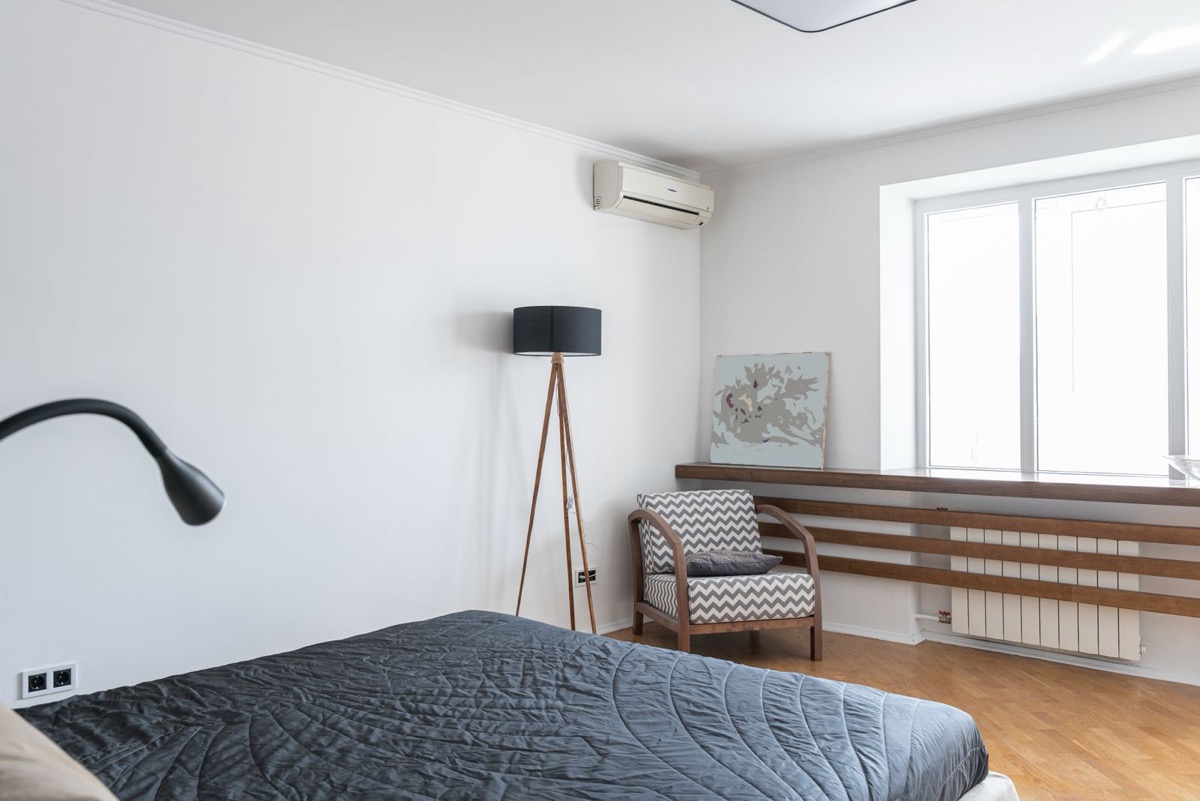
At 115V, our pick is the Zone Air 9K or 12K 115V system, mainly for its lower price and single-run line set. MRCOOL DIY 4th/5th Gen is the more efficient unit on paper at this voltage and the easier one to buy at retail. Zone Air's 115V models are hardwired to a dedicated circuit by default and accept an optional “pig tail” cord kit, so where local code permits, many homeowners can plug into a standard 120V outlet instead of running new wiring. Its pre-charged line sets run as a single continuous length with only one pair of quick connect fittings, and the 12K 115V system lists at $1,999.99 against roughly $2,359 for the comparable MRCOOL DIY 12K at retail — about 15% less.
At a Glance
MRCOOL DIY vs Zone Air: The 115V Scorecard
Here is how the two 115V DIY lineups stack up on the specifications that actually change your install and your bill. Figures are manufacturer-published as of September 2026.
| Zone Air 115V | MRCOOL DIY 5th Gen 115V | |
|---|---|---|
| Sizes at 115V | 9,000 & 12,000 BTU | 9,000 & 12,000 BTU |
| SEER2 (cooling) | 23.0 | 23.6 (9K) / 23.5 (12K) |
| HSPF2 (heating) | ~10.0 | 10.2 (12K) |
| Heating operating floor | −13°F | −13°F |
| Electrical | Hardwired by default; optional cord kit for plug-in where code permits | Hardwired to a dedicated circuit |
| Line set | Single continuous run, one pair of quick connects | Fixed 16 / 25 / 35 / 50 ft, couplers to 75 ft max |
| Refrigerant | R-454B | R-454B (5th Gen) / R-410A (4th Gen stock) |
| 12K price | $1,999.99 direct | ~$2,359 at retail |
| Warranty | 5 yr parts / 7 yr compressor | 5 yr parts / 7 yr compressor, no registration required |
The honest summary: MRCOOL is the marginally more efficient unit at 115V, Zone Air is the cheaper one with the better line set. Which matters more depends on your run length and your panel — both covered below.
Definitions
What “120V / 115V DIY Mini Split” Really Means in 2026
In North America, “120V” and “115V” describe the same standard household circuit — the nameplate number differs, the wiring does not. When you see a DIY mini split labeled 115V, it runs on the same power as your kitchen outlets, typically a 15A or 20A breaker. Both MRCOOL DIY and Zone Air offer 115V models in the 9,000–12,000 BTU range, suited to spaces from roughly 200 to 550 sq ft.
Larger ductless mini split systems — 18,000 BTU and above, MRCOOL's DIY Hyper Heat line, and most multi-zone condensers — require 208/230V circuits. Those are not 115V options and typically need electrical work and a dedicated 230V breaker. Our 110V vs 220V mini split comparison walks through the running-cost and install-cost differences in detail.
When this article says “DIY mini split,” it means a system with all four of these:
- Factory pre-charged line sets that eliminate refrigerant charging on site
- Quick connect fittings, so no vacuum pump or manifold gauges are required
- No HVAC license or EPA Section 608 certification needed to connect the sealed refrigerant circuit
- An installation designed for homeowners with basic tools, not for professionals
Both MRCOOL DIY and Zone Air meet that bar, which makes them the practical shortlist for homes without ductwork — garages, room additions, home offices, and bonus rooms. Both are heat pumps that heat and cool, driven by inverter compressors for variable-speed operation and year-round comfort.
Brand One
MRCOOL DIY 4th & 5th Gen 115V Models Overview
MRCOOL's DIY line is a pre-charged quick connect system sold through retailers and online HVAC dealers. The DIY 4th Generation is a ductless heat pump system designed for homeowner installation, and no professional installation is required to connect the refrigerant circuit.
For 2026, MRCOOL's 115V single-zone options are:
- 9,000 BTU 5th Gen 115V: up to 23.6 SEER2, covers roughly 200–400 sq ft, ships with a 25 ft pre-charged line set using R-454B refrigerant
- 12,000 BTU 5th Gen 115V: 23.5 SEER2, 12.5 EER2, 10.2 HSPF2, rated to operate in heating down to −13°F
- Legacy 4th Gen 115V models: R-410A refrigerant, efficiency up to 22 SEER / 22.5 SEER2, still available through some retailers while stock lasts — see our MRCOOL DIY 4th Gen review
Key differences between generations: the 5th Gen moved to R-454B, a lower-GWP refrigerant under the EPA's HFC phasedown, raised SEER2 ratings, and added ENERGY STAR certification on select models. The full DIY 5th Gen lineup spans 9,000 to 36,000 BTU. The outdoor coil carries a Gold Fin coating for corrosion resistance, and the system includes smart controls compatible with smartphone apps and voice assistants.
One thing worth knowing before you compare warranties: MRCOOL's 115V DIY systems are wall-mounted air handler configurations, with ceiling cassette styles available in the higher-voltage multi-zone ranges. For the full generation-by-generation breakdown, see our MRCOOL DIY 5th Gen review.
Brand Two
Zone Air 115V DIY Mini Split Systems
Zone Air is a direct-to-consumer DIY mini split brand engineered in Salt Lake City, Utah, competing with MRCOOL on installation simplicity and price. It sells only to homeowners and contractors direct, with no dealer layer in between.
Zone Air's 9K and 12K models are 115V. Like MRCOOL's, they are hardwired to a dedicated circuit by default, but Zone Air also sells an optional “pig tail” power cord kit that lets the system plug into a dedicated 120V outlet instead — the practical difference for a homeowner with a spare circuit and no appetite for panel work. Zone Air is explicit that plug-in installation should only be done where it does not violate local building code, so check your jurisdiction first.
On efficiency, be precise about voltage. Zone Air reaches 24 SEER2 on its 230V single-zone models, but its 115V units are rated 23 SEER2 — half a point below MRCOOL's 23.5 SEER2 12K 115V. At this voltage, MRCOOL has the efficiency edge, and any comparison that claims otherwise is quoting the 230V number. Both brands use R-454B pre-charged line sets and both are rated to operate in heating down to −13°F.
Zone Air systems get their final assembly, testing, and inspection in the USA from globally-sourced components, with leak and performance checks before shipping. The 12K 115V system lists at $1,999.99 and the 9K 115V at $1,899.99, both with free shipping from Salt Lake City and a 30-day return window on uninstalled units. Zone Air's own published customer reviews average roughly 4.8 out of 5 across 150+ verified buyers.
Line Sets
Pre-Charged Line Set Design: MRCOOL DIY vs Zone Air
The pre-charged line set is the single feature that makes a DIY mini split truly DIY. It removes the need for a vacuum pump, refrigerant handling equipment, and a licensed technician. But the two brands design them very differently.
MRCOOL DIY Quick Connect line sets:
- Pre-charged with R-454B on 5th Gen units, R-410A on remaining 4th Gen stock
- Fixed lengths of 16, 25, 35, and 50 ft
- Coupler kits join two pre-charged sets to reach a 75 ft maximum total run
- MRCOOL line sets are rated for pressures up to 921 PSI
- Every coupler joint adds two more quick connect valves and another potential leak point
- Communication wire routes alongside the line, and warranty coverage may require using MRCOOL's approved pre-charged line sets and cables
Our guide to MRCOOL DIY pre-charged line sets covers every length and coupler combination in detail.
Zone Air pre-charged line sets:
- Single continuous runs cut to length, roughly 8 to 75 ft
- Only one pair of quick connect valves between the indoor air handler and the outdoor condenser
- Pre-charged with R-454B and insulated for cold-climate operation
- Matched copper diameters for the 9K and 12K heads to keep refrigerant flow and efficiency where they should be
The practical difference is real. If your run is 40 feet with MRCOOL, you buy a 50 ft set and coil 10 feet of copper behind the outdoor unit. If your run is 60 feet, you join a 35 and a 25 and double your quick connect fittings. With Zone Air, you order the exact length and get one run with one connection pair. Fewer fittings mean fewer places for refrigerant to escape across a 15–20 year service life, and a cleaner exterior with no bulging line set covers.
Installation
Installation Experience: True DIY vs “DIY-Assist”
Not every mini split marketed as DIY-friendly is a no-vacuum system. Pioneer's standard line sets are flare-type, which means a vacuum pump, gauges, and refrigerant handling at install — see our Pioneer DIY mini split review for what that actually involves. Senville's warranty goes further: its published terms state that pressure testing and evacuation of line sets must be completed by a licensed HVAC professional and that DIY installation voids coverage. In our view those are better described as “DIY-assist” than true DIY. With a genuine pre-charged system from MRCOOL or Zone Air, installation requires no specialized refrigerant tools or training.
The MRCOOL DIY install flow:
- Mount the wall bracket and indoor air handler
- Drill through the wall using the included template
- Route the pre-charged line set and communication wire
- Attach the quick connect fittings at the outdoor condenser and torque to spec
- Wire to a dedicated 115V circuit — a hardwired connection, which often means an electrician if no suitable circuit exists
Where Zone Air's 115V install differs:
- Same wall-mount, hole-drilling, and quick connect process
- A single custom-length line set, so no couplers and no excess copper to manage
- The optional cord kit on 9K and 12K models, which can replace the hardwiring step entirely where code permits a plug-in connection
- US-based phone and email support, Monday to Saturday
Tools you need: a drill, a hole saw, a wrench, and a level. Tools you do not need: manifold gauges, a refrigerant tank, a vacuum pump, a flare tool, or an HVAC license. Drainage, outdoor unit placement, and local permitting still apply to both brands, and a dedicated electrical circuit is required either way. Our step-by-step DIY mini split installation guide walks through each stage, and our DOE and EPA rules explainer covers why a sealed pre-charged system keeps a homeowner install legal.
Performance
Performance, Hyper Heat, and Cold-Climate Capability
SEER2 measures cooling efficiency, HSPF2 measures heating efficiency, and for a cold climate the low-ambient heating rating tells you whether the heat pump keeps up when the temperature drops below freezing.
MRCOOL DIY performance:
- 5th Gen 12K 115V: 23.5 SEER2, 12.5 EER2, 10.2 HSPF2
- Indoor operating noise levels are around 23.5 dBA on the lowest fan speed
- Standard DIY 5th Gen units operate down to −13°F in heating (full capacity to roughly 5°F, with output tapering below that)
- MRCOOL DIY Hyper Heat extends that to −22°F and is available in quick connect DIY form — but only on 208/230V, so it is not a 115V option
- ENERGY STAR certified models may qualify for state and utility rebates
Zone Air performance:
- 115V 9K and 12K: 23 SEER2, roughly 10 HSPF2; the 230V single-zone models reach 24 SEER2
- Cold-climate heating down to −13°F, matching MRCOOL's standard DIY rating
- Published indoor sound levels around 30 dB at the lowest setting, quiet enough for bedrooms and home offices
Read the cold-climate line carefully: at 115V, both brands stop at the same −13°F operating floor. MRCOOL's advantage below that comes from Hyper Heat, which only exists at 230V, so it is not something a 115V buyer can have from either brand. If your winter lows routinely sit below −13°F, the honest answer is that neither 115V system is the right primary heat source — step up to a 230V cold-climate model or plan on backup heat. Our ENERGY STAR cold-climate DIY comparison digs into how these units hold capacity as it gets colder.
Cost of Ownership
Price, Warranty, and Real-World Reviews
Total cost of ownership is the upfront price, the installation cost you avoid, the warranty behind it, and how the brand behaves when something goes wrong.
Pricing. The MRCOOL DIY 12K 115V kit runs about $2,359 at Home Depot, with 9K kits in a similar band through dealers and retailers. Zone Air's 12K 115V system lists at $1,999.99 and the 9K 115V at $1,899.99, direct — roughly 15% less at the 12K size. Both brands save you the $1,500–$3,500 per zone that professional installation typically adds.
Warranties. The terms are unusually well matched:
- MRCOOL DIY 5th Gen: 5 years parts, 7 years compressor, with no registration required. Labor, refrigerant cost, and freight are excluded, and coverage is void if the system is moved. Warranty terms may require using MRCOOL's approved pre-charged line sets and communication wire.
- ⚠ MRCOOL DIY Select: sold under the same DIY banner, but the warranty is 1 year parts, 2 years compressor. If you are cross-shopping on price at a retailer, check which line you are actually buying — this is the easiest way to think you got a 7-year compressor and not have one.
- Zone Air: 5 years parts, 7 years compressor, and DIY installation does not void coverage as long as you follow the published specs.
Reviews and brand trust. MRCOOL sells through retailers and dealers; Zone Air sells direct with US-based support. MRCOOL's Trustpilot profile shows 3.2 out of 5 across 89 reviews (September 2026). Zone Air's own published reviews average roughly 4.8 out of 5 across 150+ verified buyers, though as a direct seller those are first-party numbers rather than an independent platform — weigh them accordingly.
Scaling Up
Single-Zone vs Multi-Zone: Where 115V Stops
A single-zone DIY system handles one room with one indoor unit and one outdoor unit. Multi-zone configurations connect several indoor heads to one outdoor condenser so each room holds its own temperature. The hard ceiling to know: 115V DIY equipment tops out at 12,000 BTU in both lineups. Every multi-zone condenser from either brand is 208/230V.
MRCOOL multi-zone DIY: condensers pair with wall-mounted heads and the OuttaSight ceiling cassette. Ducted coverage comes from a separate whole-home DIY Hybrid Air Handler rather than a slim concealed-duct head. Each zone needs its own pre-charged line set at a fixed length, and extensions add more quick connect joints.
Zone Air multi-zone: wall-mounted, ceiling cassette, and concealed ducted air handlers all run on a single outdoor condenser, so one zone can be a hidden ducted unit and another a visible wall mount. The custom-length single-run line sets carry over, preserving the reduced leak-point advantage on every zone.
To put the sizing in context: a 12K 115V DIY mini split covers one room of roughly 500 sq ft. A dual-zone 230V system covers two rooms totaling 1,000–1,200 sq ft. If you are planning past a single room, start with our 2-zone DIY comparison rather than stacking 115V single-zone units.
The Short List
Key Differences for 115V Buyers
- Power: both offer 115V 9K and 12K systems, and both are hardwired to a dedicated circuit by default. Zone Air additionally sells an optional cord kit for a plug-in connection where local code permits — the one meaningful electrical difference between them.
- Line sets: MRCOOL uses fixed-length pre-charged sets you coil or couple to 75 ft. Zone Air cuts a single continuous run with one pair of quick connect fittings, which structurally reduces leak points.
- Efficiency: MRCOOL edges it at this voltage — 23.5 SEER2 on the 12K 115V and 23.6 on the 9K, against Zone Air's 23. Zone Air's 24 SEER2 flagship is a 230V model and is not available at 115V.
- Price: Zone Air sells direct at $1,999.99 for the 12K 115V, about 15% under MRCOOL's retail price for the equivalent unit.
- Flexibility: MRCOOL multi-zone mixes wall heads and the OuttaSight cassette, with ducted coverage handled by a separate hybrid air handler. Zone Air supports wall, cassette, and concealed ducted heads on one condenser.
- Support and buying: MRCOOL sells through retailers and dealers. Zone Air sells direct, with US-based support.
Both brands deliver real DIY ductless systems with quick connect pre-charged line sets and no vacuum pump. Zone Air comes out ahead on line set design and price; MRCOOL comes out ahead on efficiency at 115V (23.5 vs 23 SEER2) and a cold-climate Hyper Heat option at higher voltages.
The Verdict
How to Choose the Right 115V DIY Mini Split for Your Space
Choosing between MRCOOL DIY and Zone Air comes down to your room size, climate, panel capacity, and line set run.
- Small rooms up to roughly 400 sq ft (bedrooms, offices): a 9K BTU 115V unit from either brand handles this well. Zone Air is $1,899.99; MRCOOL is the higher-SEER2 unit.
- Mid-size rooms up to roughly 550 sq ft (large bedrooms, studios, garages): 12K BTU 115V is the right size. Zone Air's lower price and single-run line set make it the better value; MRCOOL's half-point SEER2 edge is worth about 2% on cooling energy, which will not repay a $359 price gap.
- An awkward line set run (40 ft, 60 ft, anything that falls between MRCOOL's fixed lengths): this is where Zone Air's custom cut is worth the most, both for leak points and for how the install looks.
- Very cold climates with winter lows routinely below −13°F: neither 115V system is the right primary heat source. Look at a 230V MRCOOL DIY Hyper Heat model or plan for backup heat.
- Future expansion or multiple zones: you are leaving 115V regardless. Zone Air's mixed-head multi-zone lineup offers more layout flexibility; MRCOOL's retail parts availability is easier to live with long-term.
Before you install, check your local codes on DIY electrical work and confirm whether a 115V plug-in connection is permitted as permanent wiring for a mini split in your jurisdiction — this varies, and Zone Air says so on its own product pages.
For most homeowners wanting a simple, well-priced 115V DIY system, our recommendation is Zone Air. MRCOOL remains a solid alternative when the last half-point of SEER2 or a future move to a 230V Hyper Heat system matters more than line-set optimization and price. The federal 25C tax credit ended for property placed in service after December 31, 2025, so check state and utility rebate programs instead of assuming a federal credit.
FAQ
Frequently Asked Questions About 115V DIY Mini Splits in 2026
The questions homeowners ask most before putting a 120V DIY mini split on the wall.
Specifications, pricing, and warranty terms in this comparison are manufacturer-published as of September 2026 and are subject to change — verify current details with each manufacturer before purchase. MRCOOL® is a trademark of its owner; Best DIY Mini Split Brands is an independent review site and is not affiliated with, endorsed by, or sponsored by any brand covered here.
Keep Reading
Related Guides
110V vs 220V Mini Split
Running costs, install costs, and which voltage actually makes sense for your room.
Read the guide →Best DIY Mini Split for a Workshop (12,000 BTU)
Zone Air vs MRCOOL DIY for garages and shops — sizing, 115V power, line sets, cold-climate heat, and price.
See the comparison →MRCOOL DIY 5th Gen Review
The MRCOOL DIY 5th Gen in detail — specs, install experience, and where it falls short.
Read the review →MRCOOL DIY Pre-Charged Line Sets
Every length, every coupler combination, and how far a quick connect run can actually reach.
Read the guide →