Head-to-Head · 2026
Mitsubishi vs DIY Mini Splits: Which Should You Buy?
One is the professionally installed gold standard. The other is built for a weekend DIY install. Here's how a pro-installed Mitsubishi and a do-it-yourself pre-charged system compare on efficiency, installation, cost, and warranty in 2026.
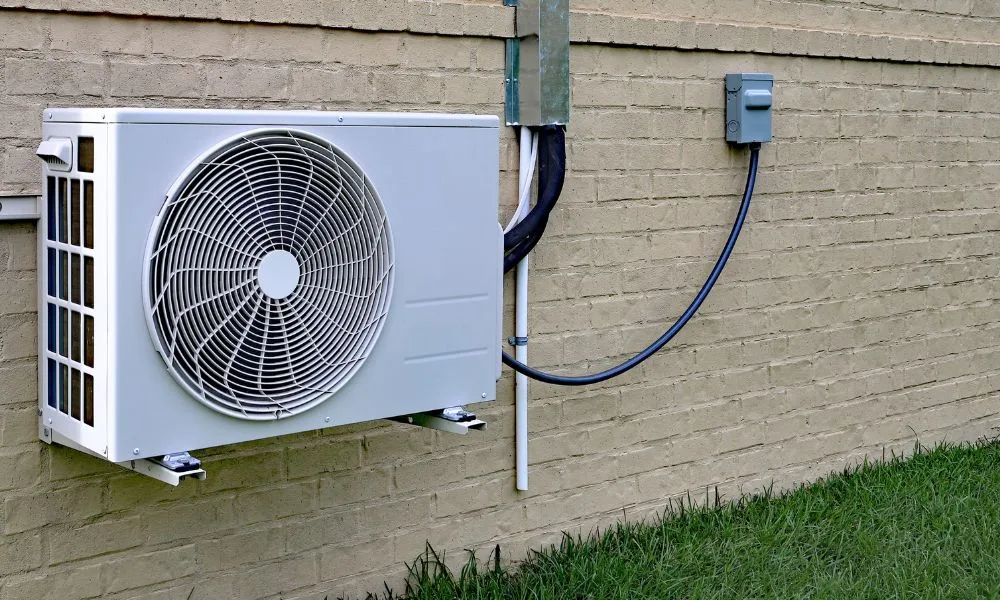
Buy Mitsubishi if you're hiring a contractor and want the highest efficiency (SEER2 up to 33.1), −13°F Hyper-Heat, and a 15-to-20-year lifespan. Buy a DIY mini split if you want to install it yourself — a true DIY system ships pre-charged with quick-connect line sets (no vacuum pump, no EPA 608). Mitsubishi wins on ceiling; DIY wins on who can install it.
Start Here
Mitsubishi vs DIY: The Short Answer
These two routes barely compete for the same buyer. Mitsubishi Electric is a contractor-installed premium brand — the one HVAC techs name first for durability and cold-climate heating. A DIY mini split is built around the opposite idea: a ductless system a motivated homeowner can install without a contractor.
So the honest answer to "which is better" depends entirely on who's holding the tools. If a licensed tech is doing the work and you plan to keep the system for two decades, Mitsubishi's efficiency ceiling and track record are hard to beat. If you're doing it yourself to skip a $4,000–$8,000 install bill, a pre-charged, quick-connect design is what makes that possible without refrigerant certification. The table below shows where each one actually pulls ahead.
| Factor | Mitsubishi Electric | DIY Pre-Charged System |
|---|---|---|
| Efficiency (SEER2) | Up to 33.1 | Varies by brand; Zone Air up to 24 |
| Cold-climate heating | Hyper-Heat: full capacity to −13°F | Varies by model; check the rated heating floor |
| Refrigerant | R-454B / R-32 (varies by line) | Factory pre-charged line set |
| Installation | Licensed tech, vacuum + EPA 608 | DIY, quick-connect, no vacuum pump |
| Equipment price (1 zone) | Higher; premium tier | Lower; Zone Air starts at $1,899 |
| Warranty | 12-yr (Diamond Contractor + registration) | Varies by brand; Zone Air 7-yr compressor / 5-yr parts, valid on self-install |
| Best for | Whole-home, cold climate, 20-yr ownership | Self-install, additions, garages, savings |
Specs are manufacturer-published and vary by model; verify current listings before buying.
Efficiency & Cold Climate
Efficiency and Cold-Climate Performance Compared
On paper, Mitsubishi is the efficiency leader by a wide margin. Its top lines reach SEER2 ratings up to 33.1, and Hyper-Heat models still deliver rated heating capacity down to −13°F — the spec that matters when you're relying on a heat pump through a real winter. That combination is why Mitsubishi keeps showing up as the benchmark in cold-climate comparisons.
DIY systems vary by brand and model, so there's no single number to set against that. As one reference point, Zone Air's DIY systems reach up to 24 SEER2. On the heating side, check the rated heating floor and the low-temperature capacity of the exact model you're considering rather than assuming a DIY unit will match Hyper-Heat in a deep cold snap. For a garage, sunroom, addition, or a mild-winter region, deep-cold capacity rarely decides the purchase. For a primary heat source in Minnesota, it does.
Installation
Installation: Pro-Only vs DIY
This is the real dividing line. A Mitsubishi system ships with empty line sets. Someone has to route them, pull a deep vacuum with a pump and gauges, and release the factory charge — refrigerant work that legally requires EPA 608 certification. On top of that, Mitsubishi's 12-year warranty is tied to installation by a Diamond Contractor and registration. You can mount the indoor and outdoor units yourself, but the part that makes it run is a licensed job.
A true DIY system is engineered to erase that step. The line sets come pre-charged with quick-connect couplings, so you thread the fittings, tighten them, and release the charge — no vacuum pump, no gauges, no EPA 608 certification. That's what lets a homeowner with moderate DIY skills and basic electrical knowledge install a full system without a contractor. Our guide to pre-charged, quick-connect line sets walks through exactly how that no-vacuum hookup works. Not every system sold for self-install works this way: Zone Air ships truly quick-connect, pre-charged line sets you can hook up without a vacuum pump, while "pre-charged" flare units still need a vacuum pump and gauges.
If you take nothing else from this comparison: Mitsubishi is a system you buy and hire out; a DIY mini split is one you buy and install. The DIY-vs-contractor breakdown covers whether self-installing is the right call for your project at all.
Cost
Price: Equipment vs Total Installed Cost
Comparing sticker prices alone makes Mitsubishi look expensive and DIY look cheap, but that's the wrong number. What you actually pay is equipment plus installation, and that's where the two routes separate.
With a DIY system you install it yourself, so the equipment price is close to the total. A Mitsubishi zone adds a licensed install on top of the equipment — nationally, professional mini split installation typically adds $3,000–$5,000 per system, and a whole-home Mitsubishi job can land around $12,000 installed. The DIY route can save more than $3,000 versus contractor install on a like-for-like project.
That doesn't make DIY the automatic value winner for everyone. Mitsubishi's higher efficiency and longer lifespan can pay part of the gap back over 15–20 years, especially if you heat with it heavily. But if your budget is the deciding factor and you're willing to do the work, a DIY system's total installed cost is hard to match.
Reliability & Warranty
Reliability and Warranty Compared
Mitsubishi is the durability benchmark. Owners and contractors report documented lifespans of 15 to 20 years, the failure rates are among the lowest of any major brand, and the service network is deep — if something goes wrong, a tech who knows the equipment is usually nearby. The catch is the warranty's conditions: the full 12-year coverage needs a Diamond Contractor install and registration.
The DIY case rests on accessibility rather than on a multi-decade field record like Mitsubishi's. The warranty question to ask is whether coverage survives a homeowner install, since most brands void coverage the moment you self-install. Zone Air's 7-year compressor / 5-year parts warranty stays valid on a self-install; check the terms of any other brand you shortlist. Our most reliable mini split brand rankings put Mitsubishi in context against the rest of the field.
The Verdict
Which Should You Buy?
Pick Mitsubishi if you're hiring a contractor anyway, you live somewhere with brutal winters, or you want the longest-lived, most efficient system on the market and you'll keep it for 20 years. It's the safer long-term buy when installation quality is handled by a pro.
Pick a DIY mini split if the whole point is to install it yourself and keep several thousand dollars in labor in your pocket. For a garage, shop, addition, bonus room, or a mild-winter home, the pre-charged install is the feature that makes it possible.
What trips people up is buying Mitsubishi expecting to DIY it, or buying a DIY unit expecting Hyper-Heat performance in a deep freeze. Match the system to your install plan and your climate.
Worth a Look
A DIY System Worth Considering
If you want a homeowner install, Zone Air is a quick-connect brand to look at: its DIY systems ship pre-charged for a no-vacuum install, offer 115V models, reach up to 24 SEER2, start at $1,899, and carry a 7-year compressor / 5-year parts warranty that stays valid on a self-install.
For how the pre-charged DIY brands compare with each other, see our best DIY mini split brands rankings.
Common Questions
Mitsubishi vs DIY Mini Splits: FAQs
Keep Reading
Related Guides
Best DIY Mini Split Brands 2026
The pre-charged DIY brands ranked head to head — install difficulty, efficiency, warranty, and support.
See the rankings →The Most Reliable Mini Split Brands
Reliability rankings by warranty, support, and owner reports — the most reliable brand overall and the top DIY pick.
See the rankings →Are DIY Mini Split Systems Any Good?
Data-backed comparisons of DIY vs contractor install — cost, performance, longevity, and the honest trade-offs.
Get the answer →Pre-Charged Line Sets Explained
How the quick-connect, no-vacuum hookup actually works — routing, compatibility, and the torque step that matters most.
Read the guide →